

WeddingAI.video Blog
Summer Wedding Video Tips: 8 Styles at $9.9 AI
Master summer wedding video with tips for bright sunlight, outdoor venues, and beach ceremonies. Capture stunning footage in any summer setting.
9 min read · Updated 2026-09-14
Summer Wedding Video Tips: How to Handle Bright Sunlight and Outdoor Venues
WeddingWire's annual survey, nearly 40% of weddings take place between June and September. But shooting video in summer comes with its own set of challenges. Harsh midday sunlight, squinting subjects, blown-out highlights, and the relentless heat can turn a gorgeous setting into a videographer's nightmare.
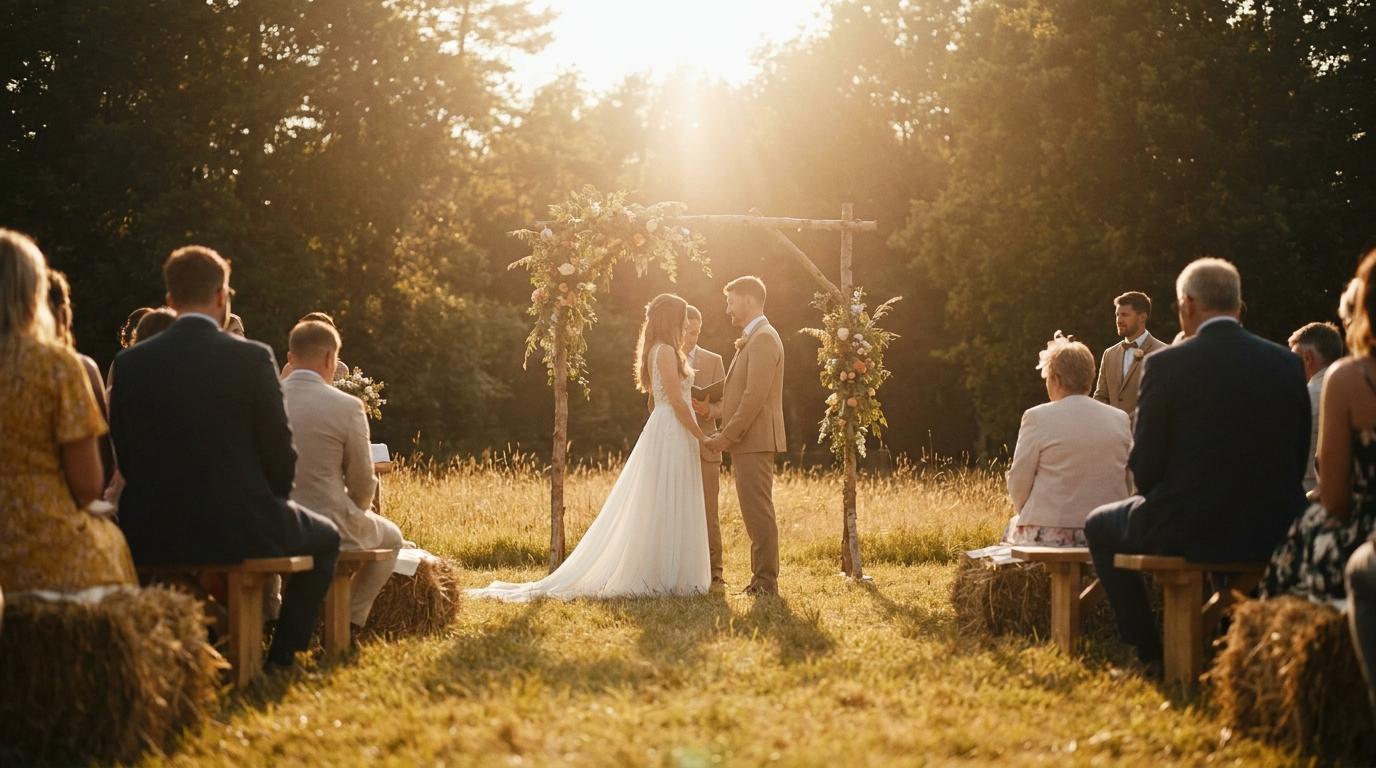
Whether you're hiring a professional or capturing footage yourself, these summer wedding video tips will help you get stunning results in bright sunlight, outdoor venues, and beach settings.
The Summer Light Problem
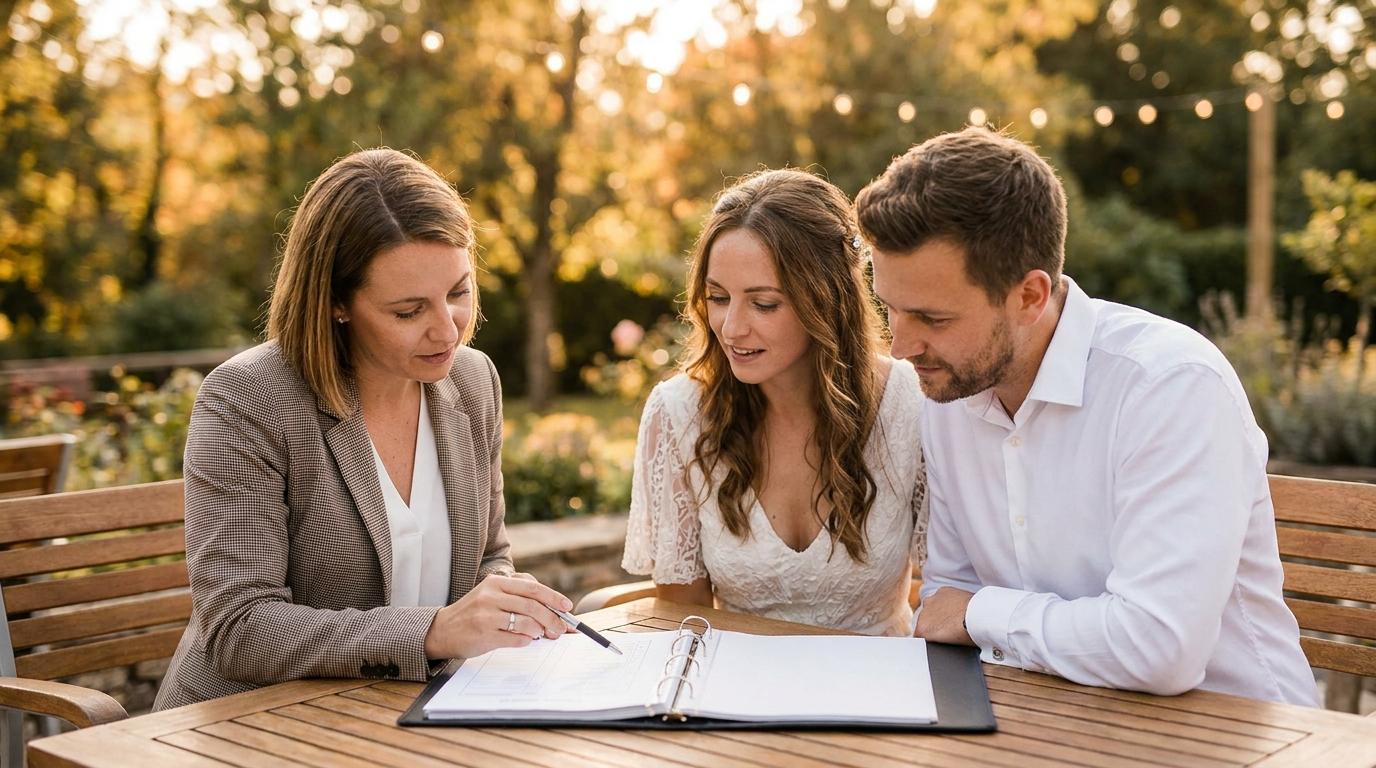
Summer light is intense. The sun is high, the days are long, and between 10 AM and 3 PM, the light is often too harsh for flattering video. Here's what happens:
- Harsh shadows: Direct overhead sun creates deep shadows under eyes, noses, and chins — the opposite of what you want in wedding footage.
- Squinting: Bright sun makes people squint, which doesn't translate well on camera.
- Blown-out highlights: White dresses and bright skies can become overexposed, losing all detail.
- Color shifts: Intense sunlight can wash out colors and create an unflattering yellow or cyan cast.
The solution isn't avoiding summer — it's understanding how to work with summer light.
Tip 1: Time Your Key Moments Around the Light
The single most impactful thing you can do for your summer wedding video is schedule key events around the light.
The Golden Hour Advantage
Golden hour — the hour after sunrise and the hour before sunset — produces the most beautiful, flattering light for video. The sun is low, the light is warm and diffused, and shadows are soft. In summer, golden hour in the US typically falls between:
- Morning: 6:00–7:30 AM
- Evening: 7:00–8:30 PM (varies by location and date)
Schedule your couple portraits, first look, and any outdoor formal shots during golden hour. This single decision will improve your wedding video quality more than any equipment or editing technique.
Ceremony Timing
If possible, schedule your outdoor ceremony for late afternoon (4:00–5:30 PM) rather than midday. The sun is lower, the light is softer, and your guests won't be melting. If a midday ceremony is unavoidable, choose a shaded location — under trees, a pergola, or a covered structure.
Midday Strategy
For events that must happen during peak sun hours:
- Seek shade: Position subjects under trees, awnings, or buildings. Open shade (shade with open sky above) provides even, flattering light.
- Use the sun as a backlight: Position the couple so the sun is behind them. This creates a beautiful rim light on hair and shoulders while keeping faces in shadow (which the camera can expose for).
- Avoid dappled light: Partial shade under trees creates uneven, splotchy light that's difficult to expose correctly. Full shade or full sun (with backlighting) is preferable.
Tip 2: Master Outdoor Wedding Video Lighting
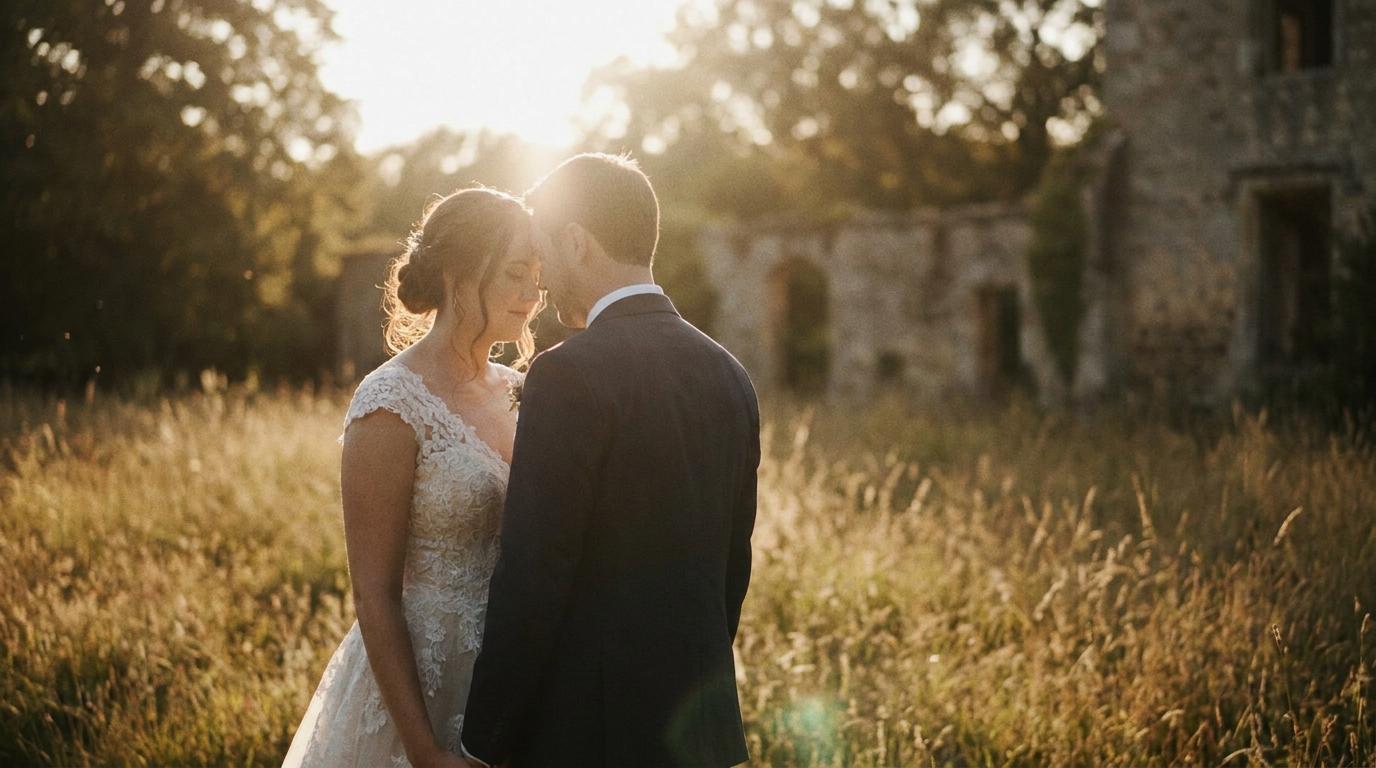
Outdoor summer weddings require a different approach to lighting than indoor events.
Working With Natural Light
Natural light is your primary tool in summer. Here's how to use it:
- Backlight your subjects: The most flattering outdoor setup places the sun behind or to the side of the subject. Use a reflector or fill light to illuminate faces.
- Use reflectors: A simple white or silver reflector bounces sunlight into shadow areas on faces. Position it below the subject's face to fill in under-eye shadows caused by overhead sun.
- Watch for mixed lighting: Transitioning from bright outdoor sun to dim indoor spaces creates exposure challenges. Let the camera adjust, or manually set exposure for each location.
Fill Light for Outdoor Ceremonies
If your ceremony is in direct sun, a subtle fill light can reduce harsh shadows:
- LED panels: Small, battery-powered LED panels provide soft fill light. Position them slightly above eye level and to the side.
- Reflectors: A large white reflector positioned out of frame can bounce enough light to soften shadows.
- Natural reflectors: Light-colored walls, white tablecloths, and sand (at beach weddings) all bounce light naturally.
Avoiding the "Washed Out" Look
Summer footage can look flat and washed out if you're not careful:
- Don't overexpose: It's better to slightly underexpose than blow out highlights. You can recover dark areas in editing, but blown-out highlights contain no data.
- Use a lens hood: This prevents lens flare from direct sunlight, keeping your image crisp.
- Shoot in a flat or log color profile: If your camera supports it, a flat profile captures more dynamic range, giving you more flexibility in editing.
Tip 3: Beach Wedding Video Specifics
Beach weddings are a summer staple, but they present unique challenges for video.
Sand and Water Hazards
- Protect your equipment: Sand and salt spray are enemies of cameras and lenses. Use protective covers and keep equipment in sealed bags when not in use.
- Stable footing: Tripods sink in sand. Use a tripod with wide feet, a sand bag, or a flat board under the tripod legs.
- Wind: Beach wind is constant and can ruin audio. Use wind screens on microphones and plan for wind in your audio setup.
Beach-Specific Shots
Beach weddings offer unique visual opportunities:
- Footprints in the sand: Capture the couple walking along the shoreline — the footprints trailing behind them tell a story.
- Waves and water: Use the ocean as a dynamic background. Wide shots with crashing waves add drama.
- Sunset ceremony: If timing allows, a beach ceremony at sunset is one of the most cinematic settings in all of wedding videography.
- Reflections: Wet sand reflects the sky and creates beautiful mirror effects, especially at golden hour.
Audio at the Beach
The biggest challenge with beach wedding video isn't visual — it's audio. Wind, waves, and open space make clean audio difficult.
- Wireless lavalier microphonesare essential. Clip them to the officiant and both partners.
- Use windscreens(foam covers) on all microphones.
- Record vows separately: Have a backup audio recording on a phone in a pocket. As a last resort, you can re-record vows as a voiceover later.
- Embrace ambient sound: The sound of waves during a beach ceremony is actually beautiful. Don't try to eliminate it entirely — just make sure vows are audible over it.
Tip 4: Beat the Heat
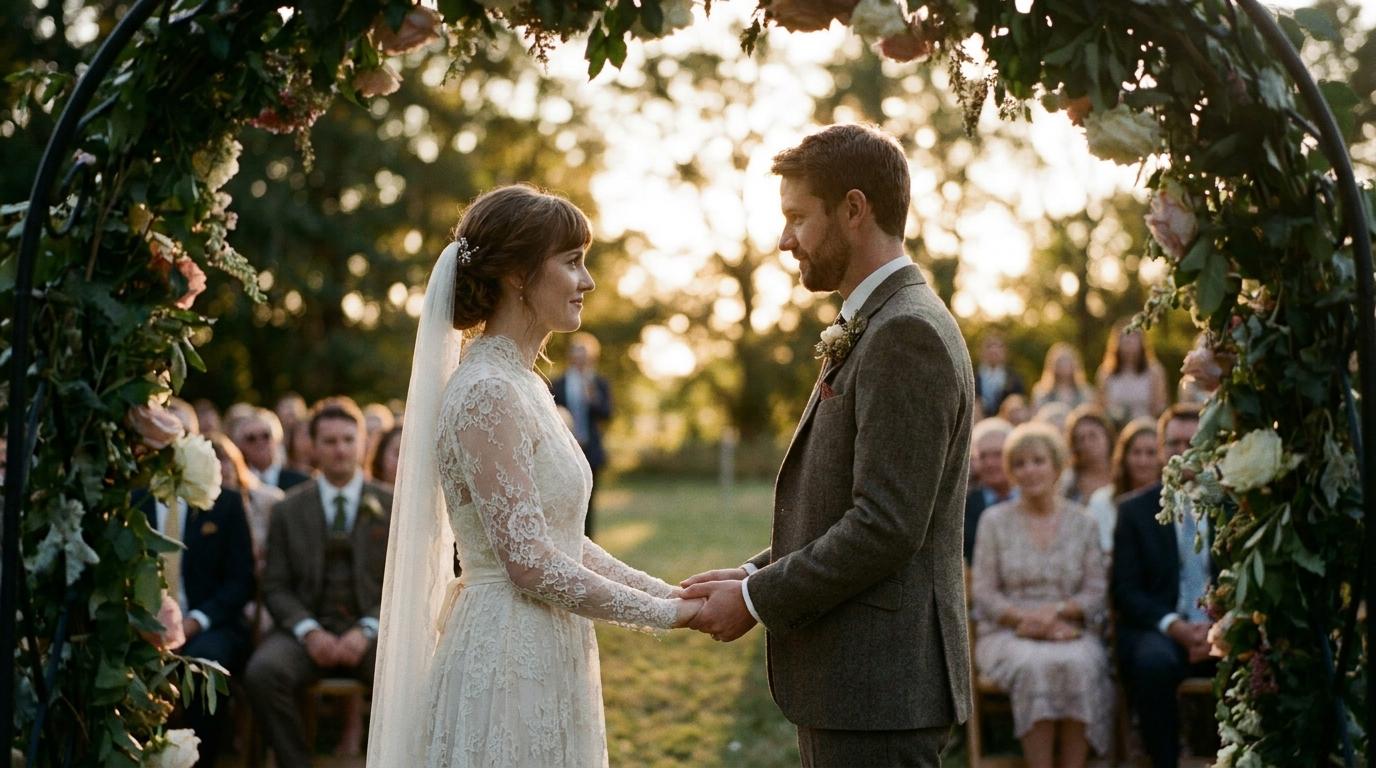
Summer heat affects both people and equipment.
Keeping Equipment Cool
- Avoid direct sun on cameras: Overheated cameras can malfunction or shut down. Keep cameras in shade when not actively shooting.
- Bring extra batteries: Heat drains batteries faster than normal. Bring at least double what you think you need.
- Use lens cloths: Humidity and temperature changes cause lens fogging. Keep microfiber cloths handy.
Keeping People Comfortable
Uncomfortable subjects don't look good on camera. Help your wedding party stay cool:
- Schedule breaks: Build 10-15 minute cooling breaks into outdoor photo sessions.
- Provide water and shade: Have cold water and shaded rest areas available.
- Short outdoor sessions: Keep outdoor portrait sessions to 20-30 minutes max in peak heat.
- Plan for perspiration: Bring blotting papers and powder for touch-ups between shots.
Tip 5: Capture the Summer Atmosphere
Summer weddings have a distinct vibe — relaxed, joyful, vibrant. Your video should capture this.
Summer B-Roll Ideas
- Guests mingling outdoors with cocktails
- Lawn games — cornhole, croquet, bocce
- Kids running through sprinklers or playing in the grass
- String lights glowing as evening falls
- The sunset from the venue
- Tropical flowers and summer centerpieces
- Ice cream or popsicle stations
- Sparkler exits against the summer night sky
Using Slow Motion for Summer Moments
- The couple's first look as the veil catches the breeze
- Champagne popping and spraying
- The first dip during the first dance
- Confetti or petal toss
- Guests jumping into a pool (if the venue has one)
Slow motion adds a cinematic, dreamlike quality that elevates summer footage.
Tip 6: Editing Summer Wedding Video
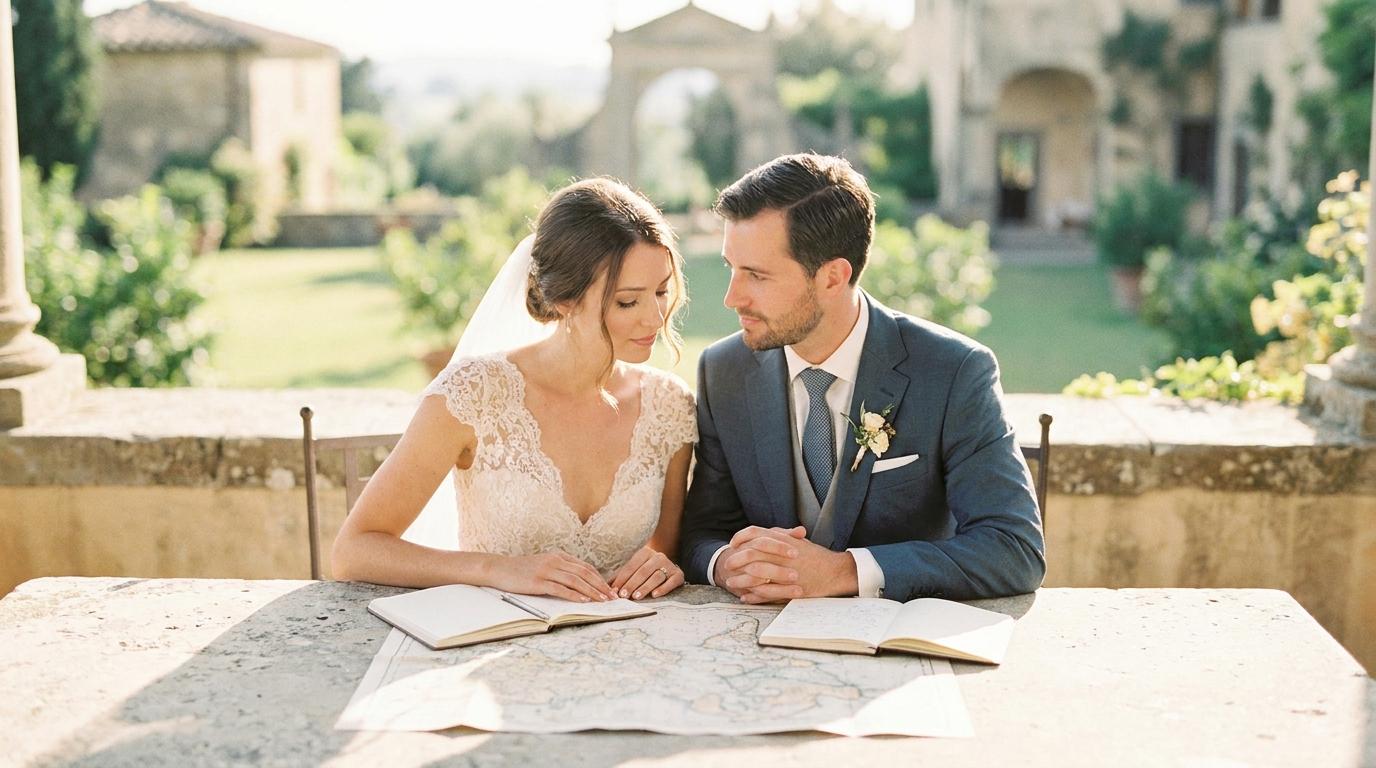
Color Grading for Summer
Summer color grading should feel warm, vibrant, and natural:
- Boost warm tones slightly: Enhance the golden quality of summer light.
- Keep greens natural: Lush summer greenery should look vibrant, not neon or muted.
- Protect skin tones: Warm grading can push skin tones too orange. Use skin tone masks to protect faces.
- Don't over-saturate: Summer footage is already colorful. Push saturation too far and it looks artificial.
Pacing for Summer
Summer weddings tend to be more relaxed and energetic than other seasons. Match this in your editing:
- Upbeat music: Choose tracks that capture the joyful, energetic summer vibe.
- Faster cuts during dancing and celebration: Quick cuts create energy.
- Slower pacing during golden hour portraits: Let the beautiful light breathe.
- Transition from day to night: If your wedding spans afternoon to evening, use the natural transition from bright sunlight to warm string lights as a narrative arc.
wedding video musicthat matches summer energy, check our complete music guide.
Tip 7: Plan for Weather Contingencies
Summer weather is unpredictable. Storms can appear quickly, and extreme heat can be just as challenging as rain.
Rain Plan for Video
- Scout indoor alternatives: Know where you can move if rain hits. Covered porches, barns, and tents all provide shelter while maintaining the outdoor feel.
- Rain footage can be beautiful: A couple dancing in the rain or sharing an umbrella is incredibly romantic on video. Don't automatically abandon outdoor plans in light rain.
- Protect equipment: Have plastic covers or bags ready for cameras and audio gear.
Heat Plan
- Shift the timeline: If extreme heat is forecast, consider moving the ceremony earlier or later to avoid peak temperatures.
- Hydration breaks: Schedule these into the timeline so they don't feel like interruptions.
- Indoor backup: Air-conditioned spaces provide relief and still look great on video.
Frequently Asked Questions
What's the best time of day for a summer outdoor wedding on video?
Late afternoon to early evening (4:00-7:00 PM) provides the best light. You get soft, warm golden hour light for portraits and the ceremony, followed by the magical transition to evening with string lights and candles. Avoid scheduling outdoor ceremonies between 11 AM and 3 PM when the sun is harshest.
How do I prevent my wedding party from squinting in bright sun?
Position the ceremony so the sun is behind or to the side of the couple and guests, not in their faces. If that's not possible, choose a shaded location. Backlit subjects don't squint because they're not looking into the sun.
Can I get good wedding video with just a smartphone at a beach?
Yes, with the right preparation. Use a gimbal for stability in the wind, shoot during golden hour, and invest in a wireless lavalier microphone for clear vow audio. Protect your phone from sand and salt spray with a waterproof case or plastic bag when not actively shooting.
How do I handle the transition from bright outdoor light to a darker indoor reception?
This is one of the trickiest aspects of summer wedding videography. Allow the camera time to adjust when moving between environments (or use manual exposure settings). Some couples stage a brief "transition moment" — like walking through a hallway — that gives the camera (and the viewer's eyes) time to adjust.
What type of lens is best for outdoor summer wedding video?
A 35mm or 50mm prime lens with a wide aperture (f/1.4 or f/1.8) is ideal. The wide aperture creates beautiful background blur that softens busy outdoor backgrounds, and these focal lengths are versatile for both portraits and ceremony coverage. A 70-200mm zoom is also valuable for capturing candid moments from a distance.
Make Your Summer Wedding Video Shine
Summer weddings are vibrant, joyful, and full of life. With the right approach to light, timing, and composition, your summer wedding video can be just as stunning as the day itself. The key is working with the season rather than against it — embracing golden hour, using natural light creatively, and capturing the carefree energy that makes summer celebrations special.
AI video generatorcan transform your summer footage into a cinematic film with professional color grading, pacing, and music.
Ready to Transform Your Wedding Memories?
Tell us about your project and we'll get back within 24 hours with a free quote.
Get a Free Quote →